Best Time to Visit Madeira: A Seasonal Travel Guide for Perfect Weather

Recent Trends in Madeira Travel
Interest in year-round European destinations has shifted attention toward Madeira in the past few travel cycles. Search patterns and booking data indicate that travelers increasingly prioritize mild, stable conditions over peak summer heat. The island has seen steady traffic across spring and autumn months, with a notable uptick in late-winter queries from those seeking a reliable warm-escape option that avoids extreme temperatures or crowds.
Background: The Island’s Unique Microclimate
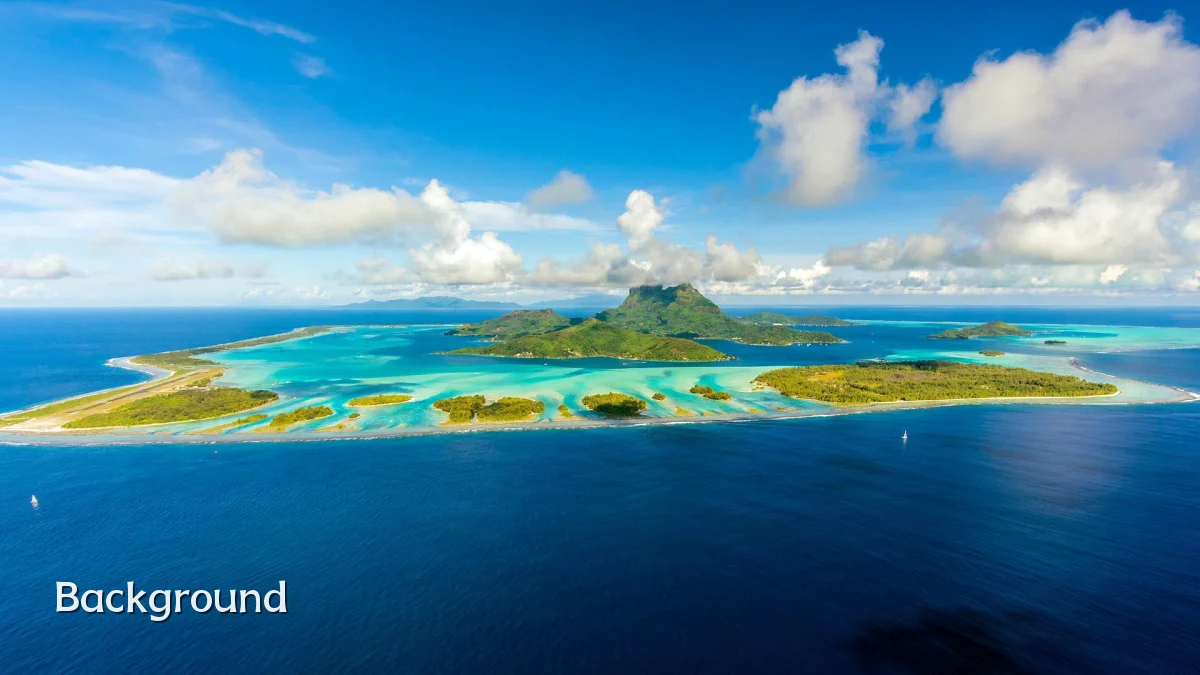
Madeira sits in the Atlantic with a subtropical climate moderated by ocean currents and mountainous terrain. This geography creates distinct microclimates across the island: the south coast tends to be sunnier and drier, while the north receives more rainfall and cloud cover. Elevation also plays a role—coastal areas stay mild, while higher zones like the Paul da Serra plateau can feel cooler and windier year-round.
- Winter (December–February): Mild and often sunny on the south coast, with daytime highs typically in the 16–20 °C range. Rain is more likely, especially in the interior and north.
- Spring (March–May): Warming trend with increasing sunshine and lower precipitation. Comfortable for hiking and outdoor sightseeing.
- Summer (June–September): Warmest months, with south-coast highs usually in the 22–27 °C range. Sea temperatures peak in late summer. Occasional heat spells possible.
- Autumn (October–November): Still mild, with some rain returning. Good balance of manageable tourist numbers and pleasant conditions.
Key Concerns for Travelers
Visitors planning a trip around “perfect weather” face several practical decisions. The main factors influencing choice of season include tolerance for rain, preference for warmth versus mildness, and desired crowd levels. Travelers who prioritize sunshine often lean toward late spring and early autumn, when daylight hours are longer and rainfall lower. Those sensitive to heat may avoid peak summer, while budget-conscious visitors consider shoulder months for better availability and lower accommodation costs.
- Peak-season availability: Summer and holiday periods see higher demand; early booking is typically necessary for preferred options.
- Rain distribution: Northern areas and higher elevations receive more precipitation, so route planning matters regardless of season.
- Temperature swings: Coastal and mountain conditions can differ by 5–8 °C within short distances; layering clothing is a practical strategy.
Likely Impact on Travel Planning
The growing awareness of Madeira’s seasonal variation is pushing travelers to think less about a single “best month” and more about matching conditions to planned activities. Hikers and nature enthusiasts increasingly target spring and autumn for trail comfort and greener landscapes. Beach-focused visitors often favor late summer for warmer sea temperatures. The trend toward flexible remote work is also extending stays into shoulder seasons, reducing pressure on peak-month infrastructure and spreading visitor impact across a longer window.
What to Watch Next
Look for evolving accommodation strategies and flight route expansions that respond to year-round demand patterns. If airlines add more off-peak direct routes from mainland Europe, Madeira could see further smoothing of seasonal peaks. Observers should also monitor general climate patterns—any shift in Atlantic weather systems may influence typical rainy-season timing. Travelers are advised to compare current local forecasts and event calendars closer to departure rather than relying solely on averages.