Essential Familiarization Trips Every Travel Professional Should Experience
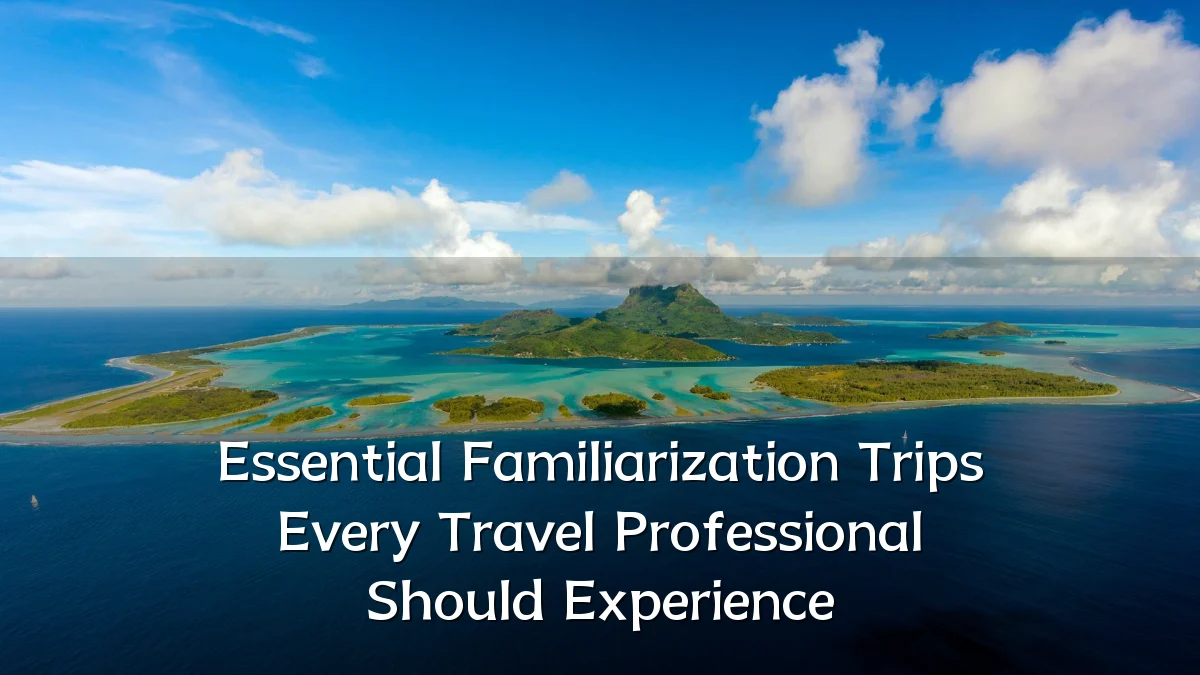
Familiarization trips—commonly known as fam trips—have long been a cornerstone of professional development for travel advisors, tour operators, and destination specialists. These short, often subsidized visits allow professionals to experience products, accommodations, and services firsthand. In a rapidly evolving industry, staying current with destinations and supplier offerings is no longer optional; it is essential for credibility and client satisfaction.
Recent Trends
The structure and purpose of fam trips have shifted in the past few years. Key developments include:

- Niche-focused itineraries – Suppliers now design trips around specific interests such as adventure, wellness, culinary, or accessible travel, reflecting broader market segmentation.
- Virtual and hybrid options – While in-person trips remain preferred, some organizations offer digital components (pre-trip webinars, post-trip debriefs) to reduce costs and broaden access.
- Emphasis on sustainability – Many fam trips now highlight eco-certified properties, carbon-offset transport, and community-based experiences, aligning with client demand for responsible travel.
- Data-driven selection – Host organizations increasingly use booking patterns and client feedback to choose which professionals are invited, moving away from general invitation lists.
Background
Familiarization trips originated in the post-war era as a way for airlines and hotels to build relationships with travel agents. Over decades they became a standard tool for product education. Traditionally, a host supplier (destination management company, hotel chain, or tourism board) covers most costs, while the attending professional contributes a nominal fee. The goal is to convert direct experience into confident, first-hand recommendations. Today, the model has expanded to include virtual reality previews and shorter “micro-fam” trips lasting one or two nights, but the core principle remains unchanged: seeing is believing.

User Concerns
Travel professionals weigh several practical and ethical considerations when deciding which fam trips to prioritize:
- Time commitment vs. ROI – With limited calendar availability, advisors must assess whether the destination or product aligns with their current client base and potential future sales.
- Perceived bias – Some worry that heavily subsidized trips may create an unconscious favoritism toward sponsoring suppliers, potentially compromising objective advice to clients.
- Quality of experience – A fam trip may showcase a “best-of” itinerary that differs markedly from a typical client’s reality. Professionals must note gaps and ask hard questions about standard service levels.
- Exclusivity and fairness – Smaller agencies or solo advisors sometimes feel overlooked when invitations favor high-volume sellers. Transparent criteria for selection are a persistent concern.
Likely Impact
As the travel industry recovers and adapts post-pandemic, the role of fam trips is likely to deepen in several ways:
- Higher expectations for educational value – Professionals will increasingly expect structured learning components, such as destination certification or supplier training, to justify the time away.
- Greater integration of technology – Augmented reality previews, mobile apps for real-time feedback, and post-trip quizzes may become standard, allowing hosts to measure knowledge retention.
- Consolidation of offerings – Fewer but more curated trips may emerge as suppliers focus on relationships with advisors who demonstrate consistent loyalty and sales.
- Rise of peer-led trips – Advisor networks and consortia are increasingly organizing their own fam experiences, bypassing traditional host suppliers to ensure impartiality and relevance.
What to Watch Next
Industry observers and practitioners should monitor several developments that could reshape fam trips in the near term:
- Regulatory or tax implications – Tax authorities in some countries are scrutinizing whether subsidized trips constitute taxable income. Future rulings may alter how trips are structured and reported.
- Shift toward “prosumer” participation – A few companies now invite top-tier clients alongside professionals, blurring the line between professional education and consumer marketing. The effect on advisor credibility remains untested.
- Climate accountability – Carbon footprint calculations for each fam trip may become a standard part of invitations, especially for long-haul destinations. Professionals may choose trips with lower environmental impact.
- Expansion into secondary cities – As overtourism concerns grow, fam trips to lesser-known regions are likely to increase, giving advisors new inventory to offer clients seeking less crowded alternatives.