Essential Madeira Travel Tips for First-Time Visitors

Recent Trends
Madeira has seen a steady rise in first-time visitors over the past few years, driven by its reputation for mild year-round weather and dramatic landscapes. The island has become a popular alternative to crowded mainland European destinations, especially among travelers seeking nature-based experiences. Digital nomads and remote workers have also contributed to longer stays, while local authorities have promoted off-peak travel to manage seasonal pressure.
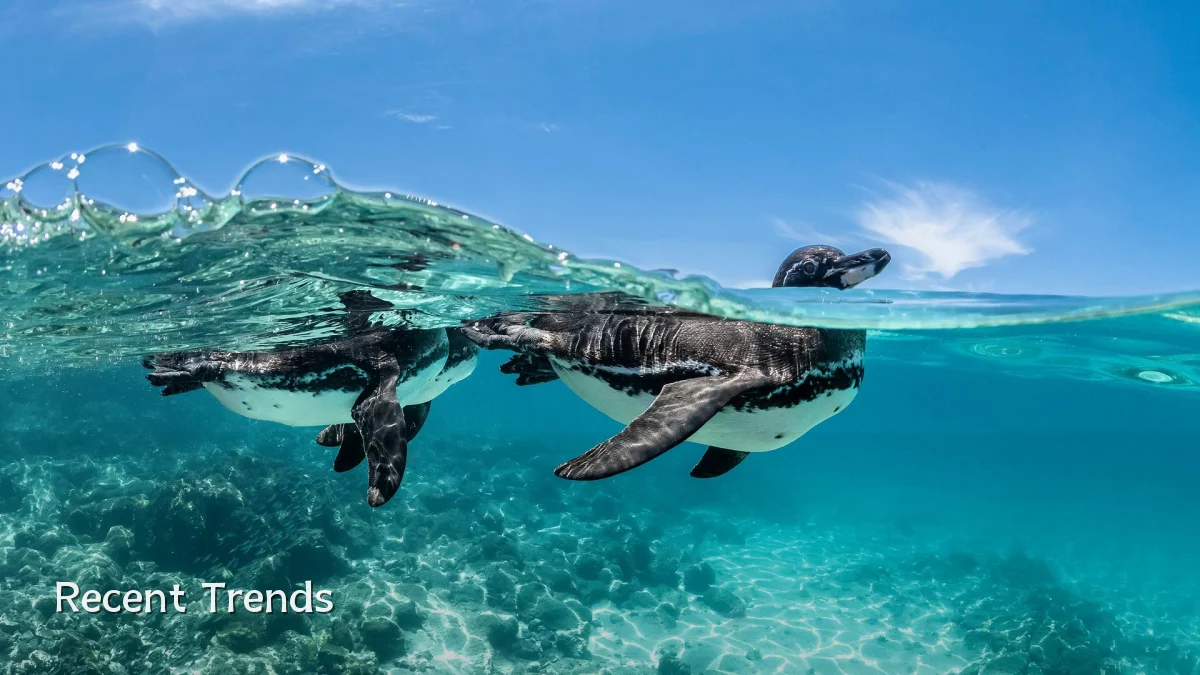
- Increased interest in hiking, canyoning, and whale watching
- Growth in boutique and eco-friendly accommodation options
- Rise of remote-work-friendly cafes and co-working spaces in Funchal
- More direct flight connections from European hubs
Background
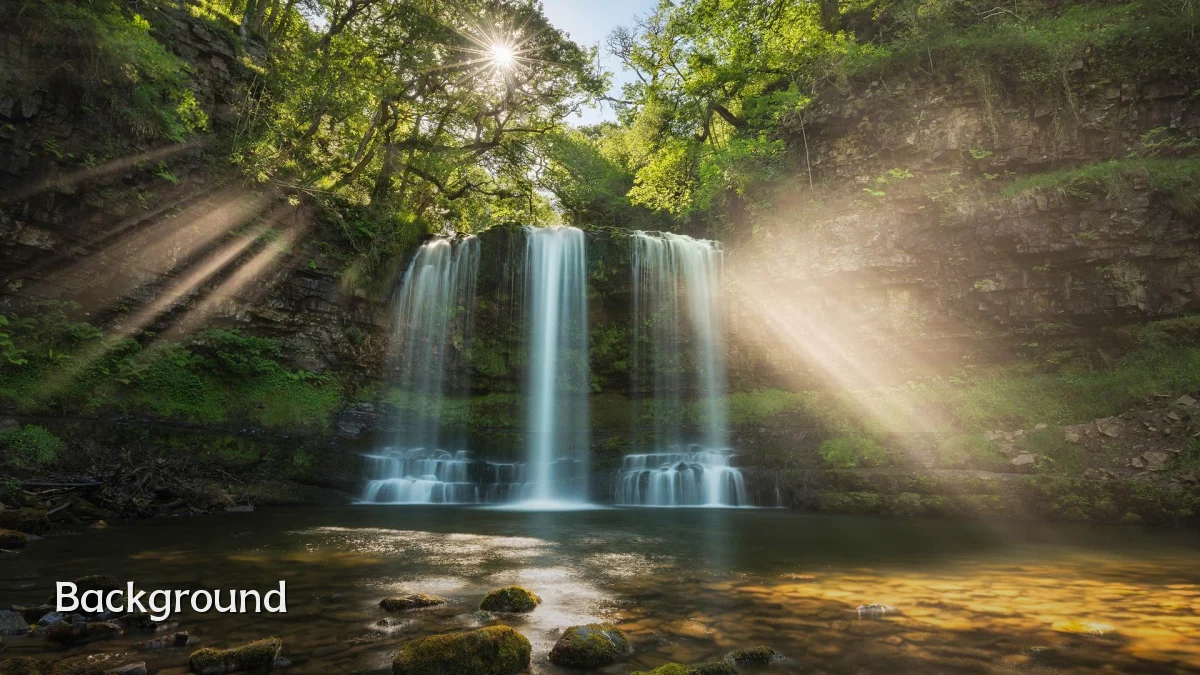
Madeira is a Portuguese archipelago in the Atlantic, with the main island known for its rugged coastline, lush laurisilva forests, and terraced vineyards. Funchal, the capital, serves as the main entry point and offers a mix of historic sites, markets, and gardens. The island’s microclimates mean weather can change quickly between the north and south coasts. Popular activities include levada walks (along historic irrigation channels), cable car rides, and exploring the volcanic rock pools of Porto Moniz. Public transport is limited in rural areas, making a rental car a common choice for independent exploration.
User Concerns
First-time visitors often worry about navigating Madeira’s winding mountain roads, the language barrier (though English is widely spoken in tourist zones), and the cost of dining and activities. Others are unsure about the best time to visit or how to pack for varying climates. Practical concerns include limited parking in central Funchal and the need for advance bookings at popular restaurants and viewpoints during peak months.
- Driving: narrow, steep roads; expect sharp curves and occasional fog at higher elevations
- Currency: Euro; ATMs widely available; cash still preferred at smaller markets
- Packing: layers, sturdy walking shoes, rain jacket, swimwear, and sunscreen
- Booking: reserve accommodation well in advance for summer and New Year’s Eve
- Health: no special vaccinations required; tap water is safe to drink
Likely Impact
The rise in first-time visitors can strain local infrastructure, particularly during July and August when trails and viewpoints become crowded. Parking shortages in popular areas like Pico do Arieiro and Curral das Freiras are common. On the positive side, increased tourism has spurred investment in better signage, trail maintenance, and eco-certification for hotels. Local communities benefit economically, but there is growing attention to sustainable practices to protect the island’s fragile ecosystems. Tourists may find that popular levadas require early starts to avoid queues.
Practical advice to mitigate impact
- Visit during shoulder seasons (April–June or September–October) for fewer crowds
- Use public buses to reduce traffic in peak zones
- Respect marked trails and avoid disturbing wildlife
- Support local businesses and choose accommodations with green credentials
What to Watch Next
Watch for new sustainability initiatives from Madeira’s tourism board, including possible visitor caps or timed entry at high-traffic natural sites. More budget airlines may add routes, making the island more accessible from North America and northern Europe. The growing popularity of glamping and rural stays could shift demand away from central Funchal. Climate trends may alter the best months for certain activities—for example, autumn levada walks might become drier or warmer over time. First-time visitors planning a trip should also follow updates on road improvements and new ferry connections to neighboring islands like Porto Santo.