Successful Tourism Association Examples from Around the World

Recent Trends Shaping Tourism Associations
Tourism associations worldwide have adapted to shifting traveler expectations, sustainability demands, and digital transformation. Recent trends include a focus on destination stewardship—balancing visitor numbers with local quality of life—and collaborative marketing that spans public and private sectors. Many associations now prioritize slow tourism, rural experiences, and off-peak travel to reduce overtourism pressure.

- Data-driven visitor management: associations use booking patterns and real-time occupancy to guide traffic.
- Community-based tourism: local resident input is integrated into promotion campaigns.
- Digital-first membership services: virtual networking and training replaced many in-person events.
- Climate-positive pledges: groups set targets for net-zero operations and carbon-offset programs.
Background: The Role of Tourism Associations
Tourism associations are membership organizations that unite hotels, attractions, transport providers, and local governments to promote a destination. They range from small regional bodies—such as a county tourism board—to national industry councils. Their core functions include marketing, advocacy, training, and crisis coordination. Successful examples from around the world demonstrate how structured collaboration can sustain a destination’s appeal across seasons and economic cycles.
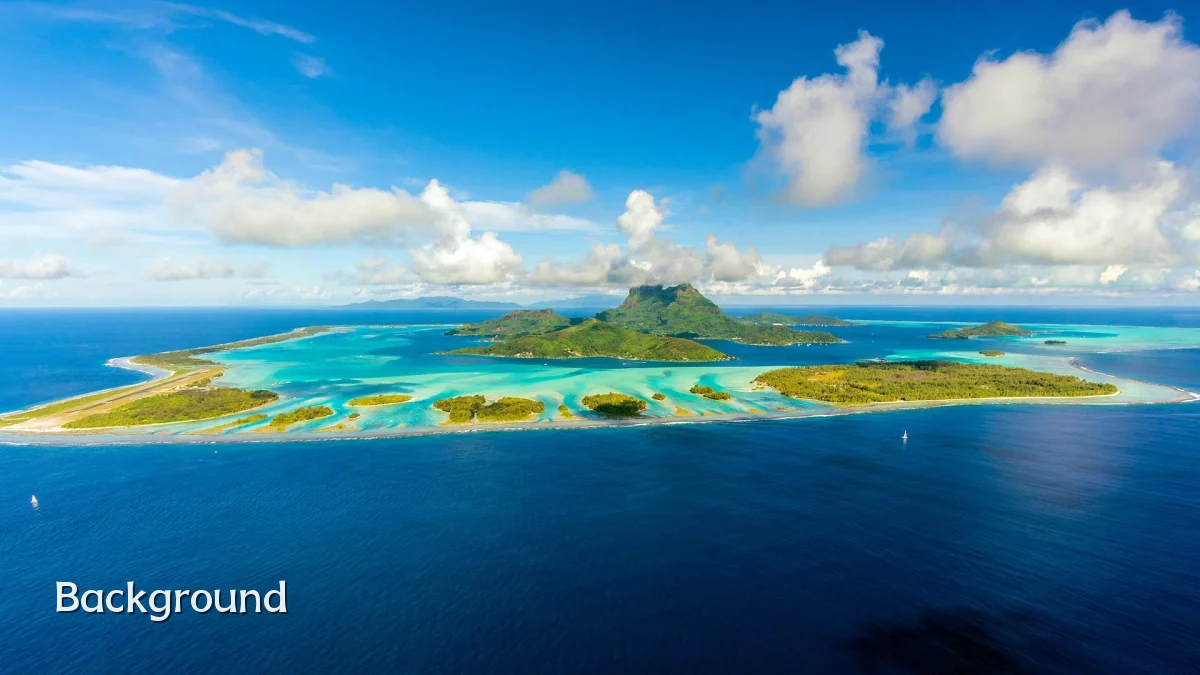
Common governance models include non-profit corporations, public-private partnerships, and quasi-governmental agencies. Funding typically comes from membership dues, bed taxes, or destination-marketing levies. The most effective associations maintain clear communication channels between stakeholders and independent oversight to prevent any single sector from dominating the agenda.
User Concerns: What Stakeholders Watch For
Travelers, local businesses, and policymakers each view tourism associations through a different lens. Key concerns include:
- Transparency of spending: Members want assurance that marketing funds are used efficiently and measured against clear KPIs.
- Overcrowding vs. economic benefit: Residents worry that aggressive promotion may degrade their quality of life, while businesses need steady visitor numbers.
- Representation of small operators: Independent inns, guides, and artisans often feel overlooked by association campaigns that favor large chains.
- Adapting to crises: Pandemics, natural disasters, or political instability test an association’s agility in redirecting resources.
- Authenticity of experiences: Visitors increasingly seek genuine local culture rather than commodified attractions, challenging associations to shift narratives.
Likely Impact on Destinations and Members
Well-run tourism associations can stabilize revenue for their members while protecting a destination’s long-term reputation. Likely positive impacts include:
- Steadier year-round visitation through targeted shoulder-season campaigns.
- Higher per-visitor yield as marketing shifts from “more heads in beds” to “higher-value experiences.”
- Faster recovery from external shocks because associations can coordinate joint messaging and emergency funds.
- Stronger local political support for tourism infrastructure, as associations demonstrate community benefits.
Conversely, poorly managed associations risk alienating both residents and visitors—for example, by ignoring carrying capacity or by allocating a disproportionate share of marketing budgets to a few powerful members. The most resilient associations regularly survey stakeholders and adjust governance structures to remain responsive.
What to Watch Next
Several developments will shape how tourism associations evolve in the next few years:
- Integration of artificial intelligence for personalized itinerary recommendations and real-time crowd dispersal.
- More emphasis on regenerative tourism—measuring net positive impact on environment and culture rather than merely minimizing harm.
- Greater use of shared databases that allow associations to benchmark member performance across regions.
- Rise of sub-regional “collectives” formed by micro-destinations (e.g., multiple small towns) that pool budgets to compete with larger cities.
- Potential shifts in funding models, such as tiered dues based on revenue or sustainability scores, rather than flat fees.
Observers will also watch how associations balance digital outreach with on-the-ground visitor services, and whether they can maintain membership growth amid rising operational costs. The coming years will likely prove that the most resilient tourism associations are those that treat both their members and their destination’s environment as long-term partners rather than short-term assets.