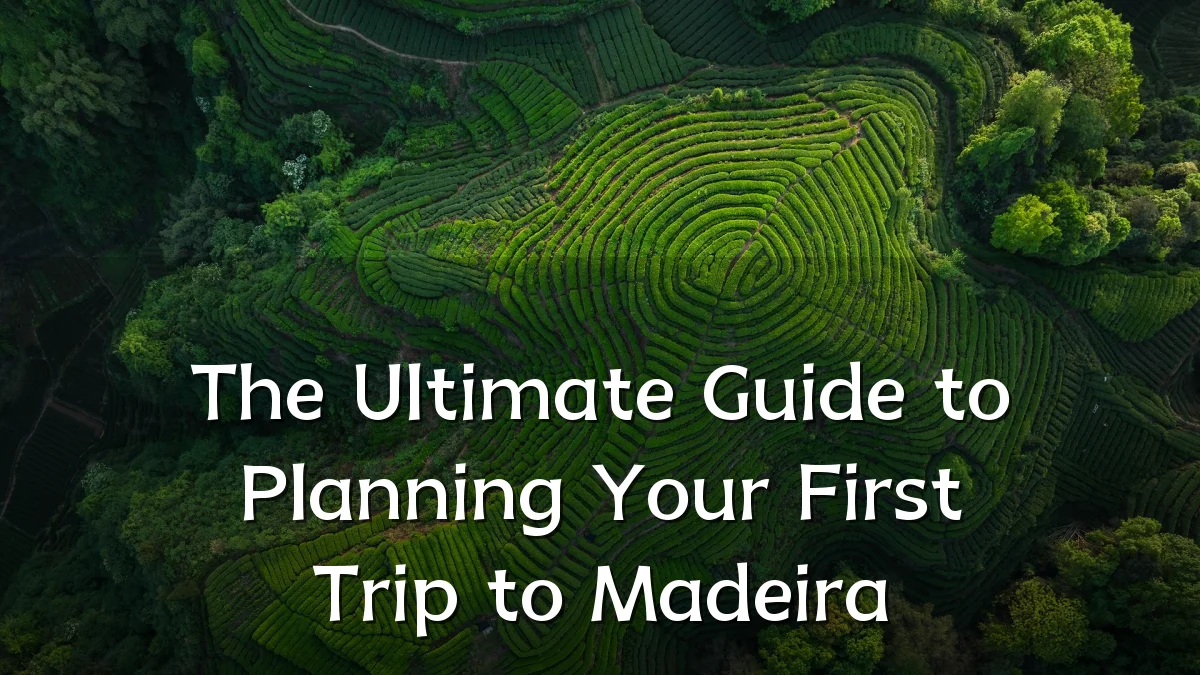
The Ultimate Guide to Planning Your First Trip to Madeira
Recent Trends in Madeira Travel
In the past few seasons, Madeira has seen a steady increase in first-time visitors drawn by its mild year-round climate and dramatic landscapes. Travel analysts note a shift toward longer stays and interest in—rather than quick beach holidays—active experiences like coastal hiking, levada walking, and wine-touring in the interior. Airlines have responded by expanding direct routes from several European hubs, though frequencies remain seasonal. Sustainable tourism practices are also gaining traction, with local authorities encouraging off-peak arrivals and low-impact accommodations.
Background: What Makes Madeira Distinct
This small Portuguese archipelago sits about 500 kilometres off the coast of Africa, offering a subtropical environment with a character quite different from mainland Europe. Its mountainous terrain, dense laurel forests (part of a UNESCO World Heritage site), and rugged coastline create microclimates that support both tropical and temperate vegetation. The capital, Funchal, serves as the primary entry point and provides a mix of historic architecture, gardens, and local markets. For many first-timers, the appeal lies in combining nature exploration with cultural immersion in a relatively compact area.
Common User Concerns for First-Time Visitors
- Getting there and around: Direct flights are limited to certain seasons and may require connections via Lisbon or Porto. Rental cars are the most flexible option, but road conditions can be winding and narrow on the island. Public buses serve major routes but less frequent in rural areas.
- Accommodation choices: Funchal offers a wide range from budget guesthouses to luxury resorts, while towns like Calheta and Ponta do Sol cater more to beach-oriented stays. Book well ahead for peak summer months and holidays.
- Language and communication: Portuguese is the official language, but English is widely spoken in tourist areas. However, menus and signs in smaller villages may only be in Portuguese.
- Cost expectations: Mid-range travel can be more affordable than other European island destinations, but prices rise during summer and around New Year. Dining out and local produce are generally good value, whereas imported goods and fuel cost more.
- Weather and packing: The climate is mild but variable. Layers and sturdy walking shoes are essential, even for those not planning strenuous hikes. Rain gear is advisable for autumn and winter months.
Likely Impact on Travellers and the Region
The growing interest in Madeira is likely to strain infrastructure in popular areas, particularly during peak weeks. Parking in Funchal and near trailheads can become difficult, and advance reservations for popular excursions may be necessary. On the positive side, increased tourism revenue supports conservation of natural sites and allows for improvements in visitor facilities such as marked trails and information centres. First-time travellers should plan for moderate crowds in high-profile areas like Pico do Arieiro or the Monte Palace gardens, but will find less congestion in the lesser-known northeastern valleys and coastal cliffs.
What to Watch Next
- Eco-certification programmes: Several hotels and tour operators are applying for sustainable tourism labels. Look for these when booking if minimising environmental impact is a priority.
- Off-season promotions: The regional tourism board may continue offering packages for autumn and late winter to flatten demand peaks—these often include discounts on accommodation or bundled activities.
- New transport links: No firm plans have been announced, but ongoing discussions about improved ferry connections between Madeira and Porto Santo could affect itineraries for island-hopping travellers.
- Weather patterns: Changes in annual rainfall and temperatures could shift the best travel windows. Monitoring long-range forecasts before booking may help avoid unexpected disruptions to outdoor plans.