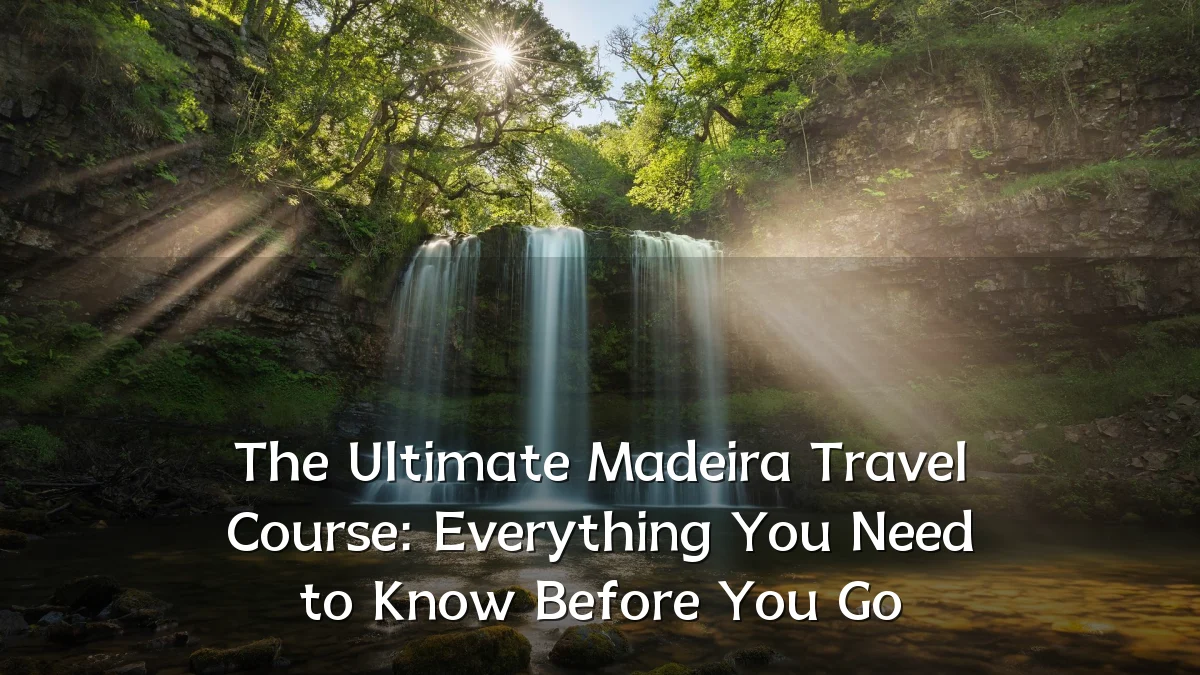
The Ultimate Madeira Travel Course: Everything You Need to Know Before You Go
Recent Trends
In the past few years, interest in Madeira as a travel destination has risen steadily, driven by the island’s reputation for mild year-round weather and diverse landscapes. Travelers are increasingly seeking structured, self-guided “courses” — often digital or print guides — that bundle practical tips, itinerary templates, and cultural insights. This trend reflects a broader shift toward intentional, experience-focused travel planning rather than last-minute bookings.
- User-generated video tutorials and downloadable checklists have become popular supplements to traditional guidebooks.
- Group travel courses, both online and in-person, now offer weekly modules covering hiking, food, and local customs.
- Mobile apps with offline maps and curated day plans are replacing bulky printed itineraries for many visitors.
Background
Madeira has long been a destination for nature lovers and hikers, with its levada paths, lush Laurissilva forest, and dramatic cliffs. The concept of a “travel course” emerged as a response to the island’s complexity: microclimates, winding roads, and seasonal events (such as the New Year’s fireworks) require advance planning. Early travel courses were basic online “travel hacks” lists, but today they have evolved into multi‑week programs that cover logistics, safety, and local etiquette.
“A well‑designed travel course can turn an overwhelming amount of information into a clear, step‑by‑step plan, which is especially valuable for first‑time visitors to Madeira.”
User Concerns
Travelers considering a “Madeira travel course” typically raise several practical questions. The most common revolve around accuracy, flexibility, and value.
- Relevance: Will the course cover both popular spots and off‑the‑beaten‑path locations, or is it too generic?
- Up‑to‑date content: Because Madeira’s infrastructure (trails, road conditions, ferry schedules) changes, users worry about outdated advice.
- Cost vs. time: Premium courses range considerably in price; travelers want to know if the investment saves them enough planning time to be worthwhile.
- Learning style: Some prefer video lessons, others want a PDF checklist; a one‑size‑fits‑all course may not suit every learner.
Likely Impact
If the travel‑course format gains further traction, Madeira’s tourism ecosystem could see several shifts. Local guides and small tour operators may adapt by offering shorter, modular courses that align with these digital products. Hotels and guesthouses might start recommending specific courses to guests, creating a new marketing channel.
- Competition among course creators is likely to drive higher quality content and more niche topics (e.g., solo travel, photography, wine tourism).
- User reviews and ratings will become critical differentiators, much like they have for accommodation and restaurants.
- Destinations with complex logistics, such as Madeira, may serve as a model for other regions considering travel courses as a planning tool.
What to Watch Next
The future of the Madeira travel course will depend on how creators integrate real‑time data and user feedback. Look for the following developments:
- Courses that update automatically when trails close or new attractions open, possibly through a subscription model.
- Partnerships between course providers and local authorities (e.g., tourism boards) to ensure accuracy and promote sustainable travel.
- More interactive elements — live Q&A sessions, peer forums, and augmented‑reality previews — that move beyond static content.
- Short, free “taster” courses designed to attract visitors who later purchase a comprehensive version.