The Ultimate Packing Checklist for Madeira: Essentials for Every Season
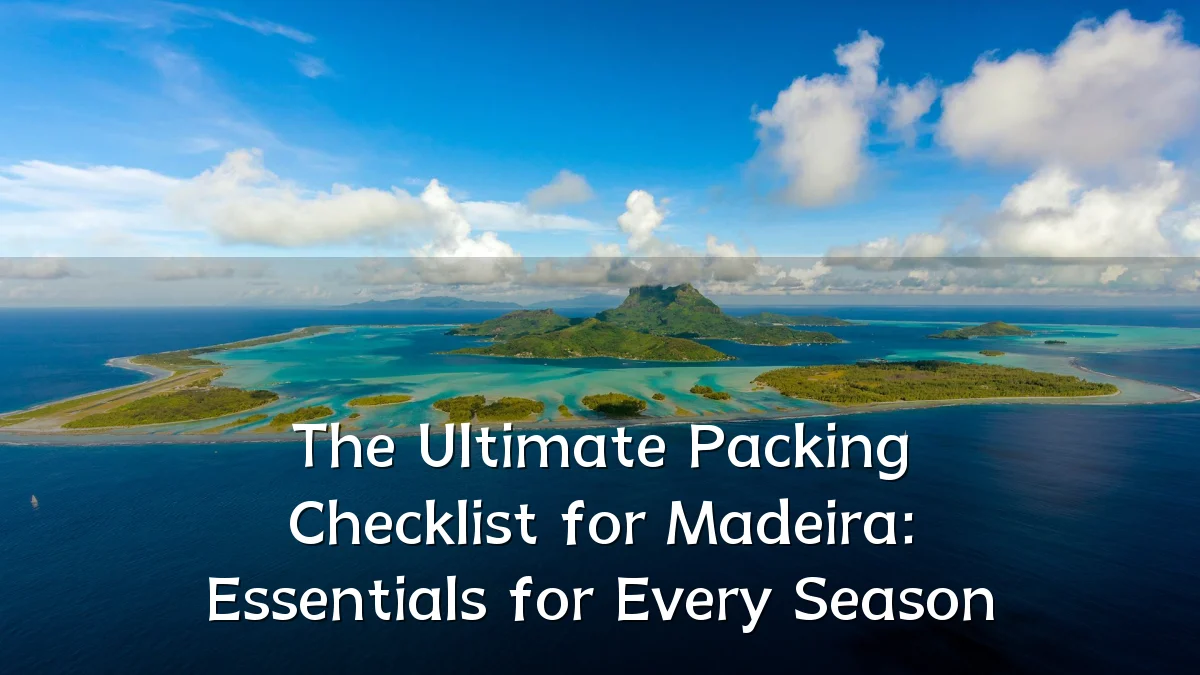
Madeira’s year-round mild climate and varied terrain—from volcanic peaks to coastal levadas—mean that packing for a trip requires a strategy that works across microclimates. Recent travel patterns show a growing number of visitors heading to the island during shoulder seasons (March–May and September–November) to avoid peak summer crowds while still enjoying pleasant weather. This analysis reviews current packing trends, background on Madeira’s weather, common traveler concerns, the likely impact of climate variability on packing choices, and what to watch for in future seasons.
Recent Trends in Packing for Madeira
Travelers increasingly prepare for layered outfits and waterproof footwear, reflecting two key shifts: a rise in active tourism (hiking, canyoning, and levada walks) and unpredictable short-term weather swings. Social media and travel forums now highlight the need for a “cross-season” backpack rather than a standard suitcase. Bullet-point packing lists shared by frequent visitors typically include:
- Quick-dry base layers for levada trails
- Lightweight rain jacket or windbreaker (even in summer)
- Sun protection: hat, SPF 50+, polarized sunglasses
- Sturdy, non-slip walking shoes with good grip
- Swimwear for coastal pools, but also a fleece for cooler evenings
Online booking data from regional accommodation providers indicates that last-minute packing advice searches increase by about 30% during October and March, when conditions change rapidly.
Background: Madeira’s Weather and Its Packing Implications
Madeira sits in the Atlantic, roughly 500 km off the coast of Africa, yet its mountainous interior creates distinct microclimates. The south coast (Funchal, Calheta) tends to be sunnier and warmer, while the north (Porto Moniz, Santana) receives more moisture and cooler temperatures. Elevation also matters: at 1,800 meters on Pico Ruivo, temperatures can drop close to freezing even in July evenings. Historically, the island has two main seasons – a drier summer (June–September) and a wetter “winter” (October–April) – but recent years show increased rainfall in May and October, blending the edges. This variability reinforces a packing golden rule: be ready for rain and sunshine on the same day.
User Concerns: Common Packing Mistakes and Gaps
Survey data from travel forums point to three recurring concerns among first-time visitors:
- Footwear failure – Many underestimate the need for trail shoes; fashion sneakers lack the grip needed on wet cobblestones or muddy levada paths.
- Underestimating temperature drops – A typical mistake is packing only summer clothes for a trip in June, then freezing during an evening boat tour or mountain drive.
- Forgetting sun protection on cloudy days – UV levels can be high even when the sky is overcast, leading to sunburn among hikers who skip sunscreen.
Frequent advice from local guides suggests adding a small first-aid kit with blister patches and insect repellent (mainly for gnats in humid areas) as a non-negotiable item.
Likely Impact on Travelers and the Local Industry
As packing awareness improves, rental companies note a gradual decrease in last-minute gear purchases on the island, reducing waste and strain on local shops. However, the rise of adventure tourism may push demand for lightweight, multi-purpose clothing and portable water filters (for remote trail refills). Airlines flying to Funchal are expected to adjust baggage policies slightly—some already promote free checked luggage for sports equipment, but most still enforce strict carry-on sizes. For travelers, the main impact is financial: a well-thought packing list can save between €50 and €100 by avoiding impulse buys of forgotten essentials (e.g., a sudden €30 rain jacket at the airport).
What to Watch Next
Two developments could reshape packing lists in the near future. First, climate models suggest Madeira may experience longer dry spells in late autumn, possibly reducing the need for heavy rain gear in November. Second, the increasing popularity of “slow travel” (extended stays of 2–4 weeks) will likely encourage more sustainable packing approaches—renting reusable containers for toiletries, or using local laundry services mid-trip to reduce luggage weight. In addition, a growing number of hotels are offering gear loaner programs (hiking poles, daypacks) as a way to lower the packing burden on guests. Travelers should monitor these trends when planning their own essentials, especially if they aim to minimize checked baggage fees while staying prepared for every season.