Why Travel Professionals Should Add Cultural Festivals to Their Client Itineraries

Travel professionals are increasingly looking beyond standard sightseeing tours to offer clients deeper, more memorable experiences. Cultural festivals—from small local harvest celebrations to nationally recognized arts gatherings—have emerged as a powerful tool for differentiation. This article examines recent trends in festival-based travel, the background of this shift, common concerns among advisors, the likely impact on itineraries, and what to watch next in this growing niche.
Recent Trends
In the past few years, client demand for authentic, immersive travel has driven a measurable uptick in festival-centered bookings. Travelers, especially millennials and Gen Z, often prioritize experiences over material goods, and festivals offer a concentrated dose of local culture, music, cuisine, and tradition. Industry reports suggest that interest in cultural events as primary trip motivators has risen steadily, with many clients now asking explicitly about festival dates during initial consultations.
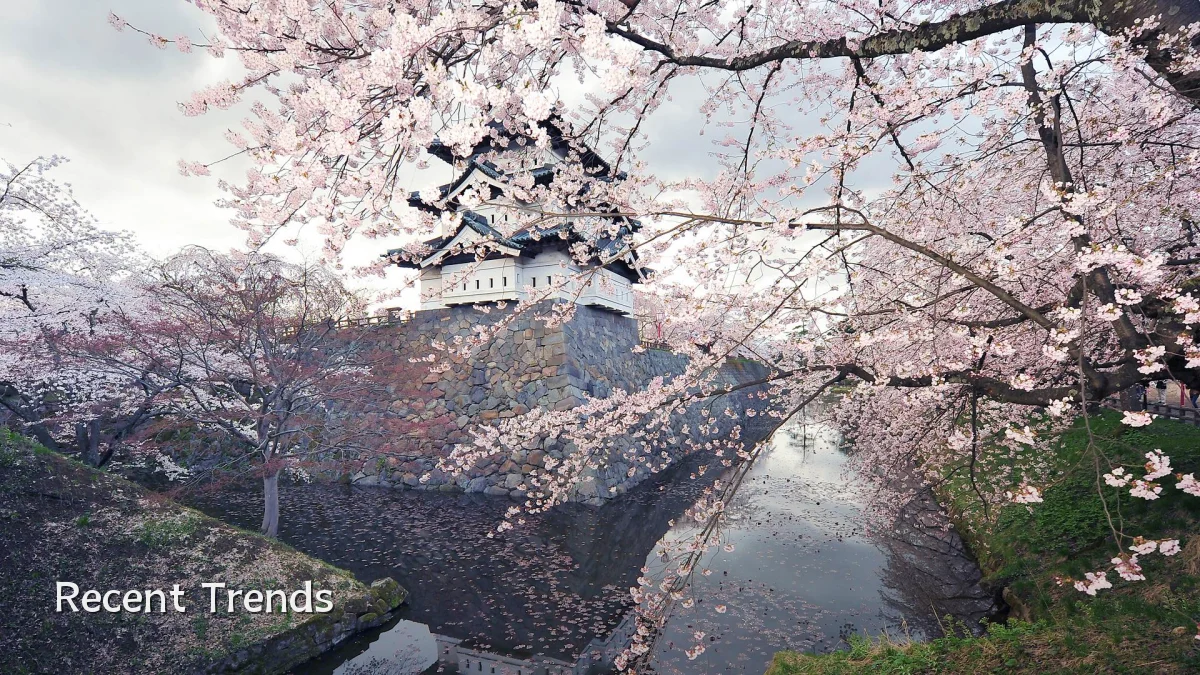
- Social media exposure of unique festivals has increased client awareness before advisors even suggest them.
- Small-group and private tour operators have begun designing trips around specific annual events, from rural storytelling festivals to urban film festivals.
- Online travel agencies now offer festival-specific filters, pushing advisors to stay informed about timing and ticket availability.
- Cruise lines and tour companies have added festival stops as optional shore excursions or included them in themed itineraries.
Background
Cultural festivals have long existed as local traditions, but only in the last decade have they become scalable booking opportunities for travel professionals. Historically, advisors were wary of festivals because of peak pricing, accommodation shortages, and the risk of overcrowding. However, as planning tools and dynamic pricing models have improved, festivals have become more accessible. Major event organizers now release dates up to 18 months in advance, allowing advisors to secure hotel blocks and tickets early. The shift aligns with a broader industry move toward experiential and sustainable travel, where clients seek meaningful interaction with host communities rather than passive sightseeing.

User Concerns
Despite the opportunity, travel professionals and their clients raise several legitimate concerns. The following points are commonly discussed in planning conversations:
- Availability and pricing: Festival dates often coincide with peak season, leading to higher airfares, limited hotel rooms, and premium ticket costs. Advisors must weigh the value of the experience against potential budget inflation.
- Overcrowding and logistics: Large festivals can overwhelm local infrastructure, creating long lines, crowded public transport, and difficulty booking meals. Clients with mobility or sensory sensitivities may find these conditions challenging.
- Cancellation or postponement risk: Even established events can be rescheduled due to weather, public health concerns, or local regulations. Advisors need flexible booking policies and backup itineraries.
- Authenticity vs. commercialization: Some travelers worry that major festivals have become overly tourist-oriented, losing their original cultural significance. Advisors must research whether an event retains its local character or has become a ticketed spectacle.
- Client preferences: Not every client seeks a festival experience—some prefer quiet exploration or off-peak travel. Matching the right festival to the right traveler is critical.
Likely Impact
Integrating cultural festivals into itineraries is expected to alter how travel professionals structure their offerings. The impact will likely play out in several ways:
- Shift to advance planning: Advisors will book festival-related components months earlier than traditional tours, requiring stronger client commitment and deposit policies.
- Niche specialization: Some advisors may focus on a handful of high-quality festivals, building deep local knowledge and supplier relationships.
- Improved client retention: A well-chosen festival can create a standout trip that clients remember and share, leading to repeat bookings and referrals.
- Need for contingency protocols: Travel professionals will develop standard backup plans—alternative nearby events, flexible cancellation waivers, or off-festival activities—to mitigate risk without disappointing clients.
- Collaboration with local guides: To ensure authenticity and smooth logistics, advisors will increasingly rely on on-the-ground partners who understand event nuances and can navigate crowds.
What to Watch Next
Several developments are worth monitoring for travel professionals considering this niche:
- Technology for dynamic pricing: New booking platforms that aggregate festival dates, hotel availability, and flight pricing in real time will make planning easier and more transparent.
- Sustainability standards: As festivals grow in popularity, their environmental and social impact will draw scrutiny. Advisors should watch for certifications or best-practice guidelines from tourism boards or event organizers.
- Year-round festival calendars: Some destinations are extending single-day events into multi-week cultural seasons, offering more flexibility and reducing peak-crowding pressure.
- Client education: Advisors will need to help clients understand that attending a festival may mean adjusting expectations—for example, accepting higher prices in exchange for a once-in-a-lifetime experience.
- Regulatory shifts: Local governments may introduce ticket caps, visitor quotas, or permit fees to manage large events. Keeping abreast of such policies will be essential for accurate planning.
By staying informed on these trends and preparing for common challenges, travel professionals can confidently offer cultural festivals as a compelling addition to client itineraries—delivering memorable, enriching travel that stands apart from standard packages.